Tag: project

  • Lexomics

    Lexomics

    Lexomics is a collaboration between CSU Northridge and Wheaton College, MA, in which faculty and students develop and apply computational methods to study literature. The term “lexomics” was originally used to describe the computer-assisted detection of “words” (short sequences of bases) in genomes, but we have reversed the metaphor to apply it to the detection of patterns in linguistic texts, particularly those that are too subtle or diffuse to be perceived easily. We then use the results derived from statistical and computer-based analysis to augment traditional literary approaches including close reading, philological analysis, and source study. We use traditional methods to identify problems that can be addressed in new ways by lexomics, and we also use the results of lexomic analysis to help us zero in on textual relationships or portions of texts that might not previously have received much attention.

    The project‘s research has a strong emphasis on the study of early literature and on literature in languages that do not use the Roman alphabet. It also attempts to make the theory and application of computational text analysis accessible to students and other newcomers to this approach through its Lexos text analysis software. Lexos is a web-based tool to help users explore digitized texts by means of a simple interface to a workflow of effective practices. Lexos may be used online or downloaded from our GitHub repository.

    Lexomics has received past support from multiple grants from the National Endowment for the Humanities.

    CSUN PI: Scott Kleinman
    Project Website: http://lexomics.wheatoncollege.edu
    Lexos Text Analysis Tool: http://lexos.wheatoncollege.edu
  • Abolitionist Legacy Preserved with Digital Exhibit

    Abolitionist Legacy Preserved with Digital Exhibit

    San José State Professor Jennifer Rycenga is retiring at the end of the semester with a real sense of accomplishment. With almost 30 years of teaching for the Department of Humanities, she has approached her career with an interdisciplinary lens that spans across the university, mentoring and guiding SJSU students, who she says are some of the most diverse and engaged she’s ever encountered. 

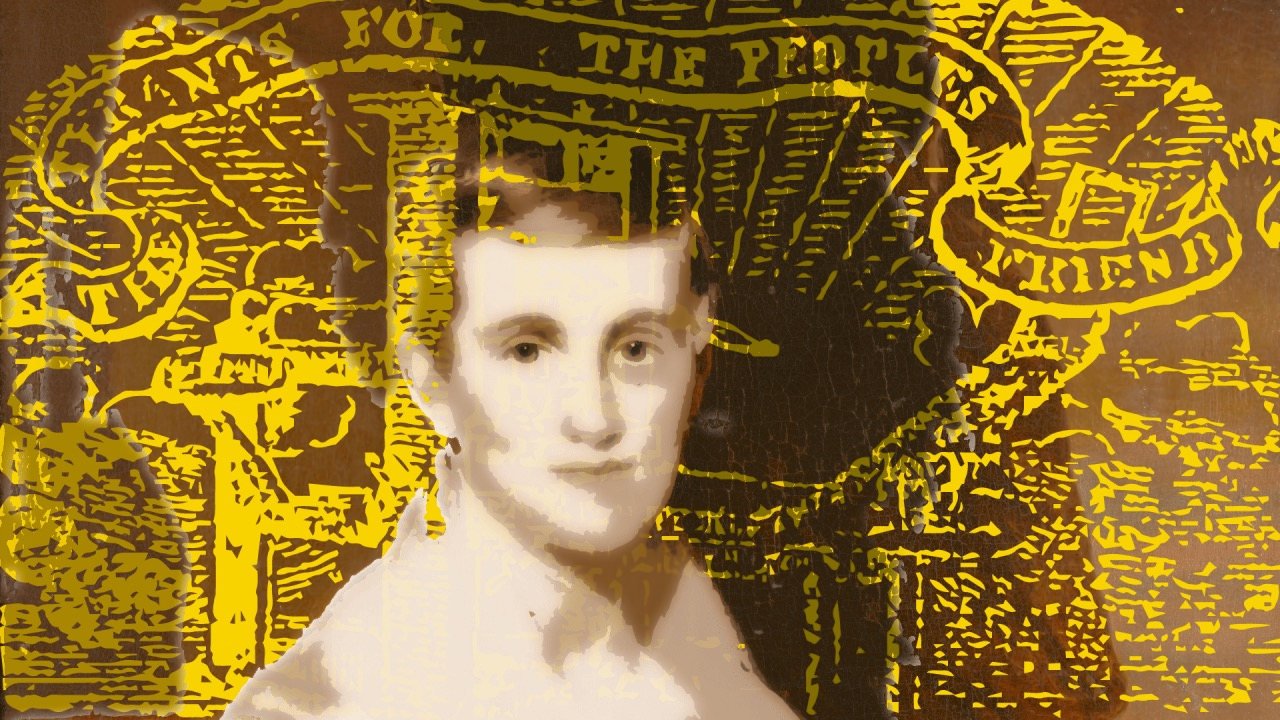
    In addition to teaching, over the last two decades, she has examined how alliances across race and gender contribute to making abolitionism the first truly integrated and intersectional political movement in the United States. And to cap off her research, she is excited to launch The Unionist, Unified, a digital project created in partnership with the SJSU King Library’s new Digital Scholarship Services unit. 

    The digital exhibit tells the fascinating story of The Unionist newspaper, which was created to provide a voice for the Canterbury Female Academy in Connecticut in 1833. The Canterbury Female Academy featured the highest level of education open to women of any race in the United States at that time, but the academy was met with constant verbal harassment and vigilante violence from many local white people. 

    by Lesley Seacrist

    Read the full story from SJSU

  • AI is Here to Stay: A Q&A with Jon Oakes

    AI is Here to Stay: A Q&A with Jon Oakes

    In the dark King Library Experiential Virtual Reality (KLEVR) Lab on the fourth floor of San José State University’s Dr. Martin Luther King, Jr. Library, the only light is emanating from cracks in the curtain and the glow of the computer screen. Jon Oakes, the technology coordinator for the SJSU King Library, clicks to expand the ChatGPT window. On the left side of his screen is a stack of virtual chats, some experiments while other chat messages are task-oriented. 

    What is ChatGPT? Ask ChatGPT and it will respond that it is a conversational artificial intelligence model developed by OpenAI. It is a state-of-the-art language model that has been trained on a massive amount of text data from the Internet and has the ability to generate human-like responses to a wide range of questions. ChatGPT is designed to provide answers to questions, summarize information and generate creative text. It has applications in customer service, virtual assistance, and many other areas where quick and accurate information is needed.

    However, according to Oakes, “it makes connections among ideas the way our brain does, or similarly to how our memory works — but it doesn’t think or process all the time. It’s only instantiated based on a prompt that you give it. The prompt basically frames the question and then applies it to the model and creates these vectors of math through the model with a trail of tokens that are words and letters that actually mean something relevant to the prompt it was given. It doesn’t actually think for itself, but it can respond in a way that is very convincing that it does.”

    By Lesley Seacrist

    Read the full story from SJSU

  • Cal State LA faculty awarded grant to support interdisciplinary LGBTQ digital storytelling map

    Cal State LA faculty awarded grant to support interdisciplinary LGBTQ digital storytelling map

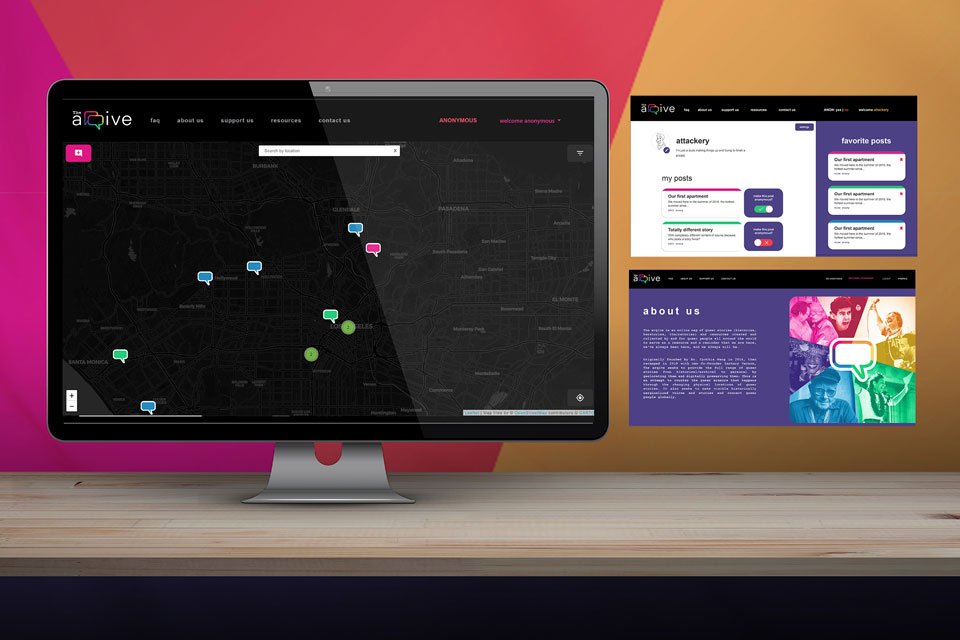
    A team of Cal State LA faculty members has been awarded a $100,000 grant from the American Council of Learned Societies to support the continued development of an interdisciplinary LGBTQ digital storytelling map.

    The arqive is a free interactive, global online map of user-generated LGBTQ stories, history, current events and community resources. The goal of the project is to increase the visibility of LGBTQ stories and spaces and connect queer people globally to reduce social isolation.

    “That’s what drives what we are trying to do with this: How do we make people feel less alone?” said Cynthia Wang, associate professor in the College of Arts and Letters’ Department of Communication Studies, who created The arqive.

    by Jillian Beck, Cal State LA News Service

    Read the full story from Cal State LA

  • Transforming the Humanities for the Digital Age

    Transforming the Humanities for the Digital Age

    SDSU’s Podcasting Institute has helped hundreds of graduate students and faculty learn more about sharing news, stories and conversation via digital audio files.

    There’s a podcast for everyone: a “near-future broadcast” from a world brimming with the ravages of climate change, a celebration of the “guiltless pleasures” associated with video bingeing, warm memories of the dishes we associate with home.

    Read more on SDSU NewsCenter

    By SDSU News Team

  • Cal State LA, USC receive grant to digitize visual record of Mesoamerican and Spanish colonial history

    Cal State LA, USC receive grant to digitize visual record of Mesoamerican and Spanish colonial history

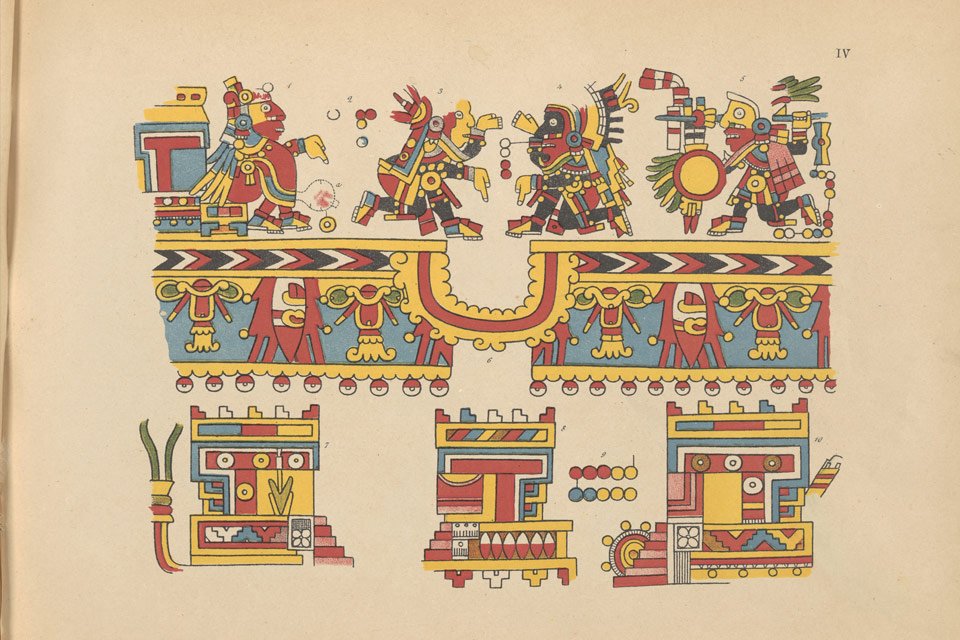
    Cal State LA and USC have been awarded a nearly $500,000 grant from the Council on Library and Information Resources to digitize Mesoamerican and Spanish colonial materials.

    Through the three-year Digitizing Hidden Special Collections and Archives grant, Cal State LA and USC will receive support for the digitization of cultural artifacts, rare books, and photography collections from their libraries. The project aims to preserve a diverse and visually compelling record of Mesoamerican and Spanish colonial cultures and many facets of the region’s complex history.

    “The work to digitize and preserve our unique and distinctive collections has been a strategic priority for the University Library and we are excited and honored to have been selected to receive the Council on Library and Information Resource’s Digitizing Hidden Special Collections and Archives award,” said Carlos Rodriguez, dean of the University Library at Cal State LA.

    By Margie Low, Cal State LA News Service

    Read the full story from Cal State LA

  • Cal State LA launches Pandemic Diaries digital history project

    Cal State LA launches Pandemic Diaries digital history project

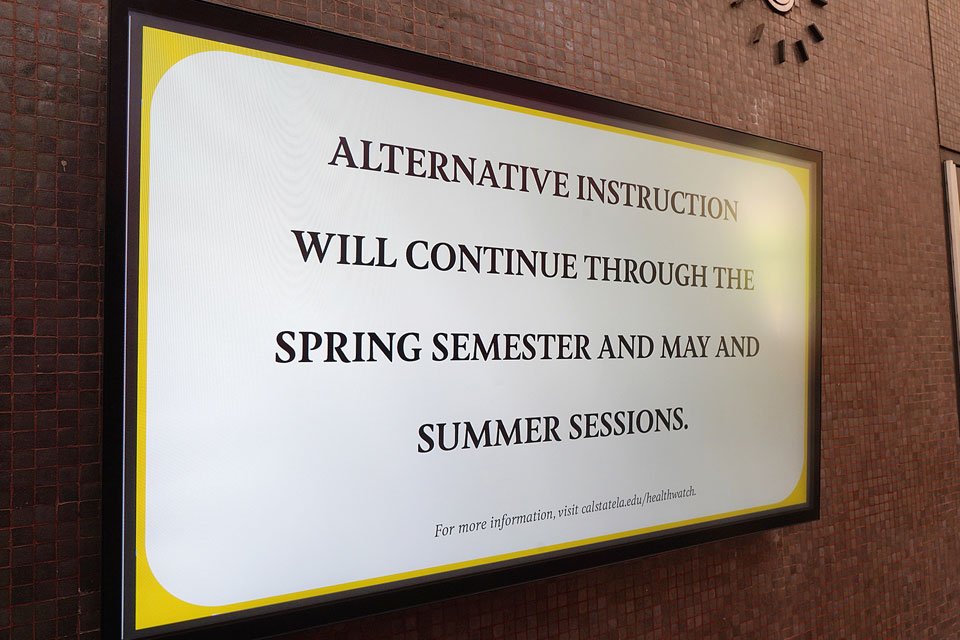
    While navigating through the coronavirus pandemic since March 2020, the Cal State LA community has been adapting to a new normal of online learning, teleworking, social distancing and sheltering in place.

    Each of the tens of thousands of students, faculty, staff and alumni who make up that community potentially has a unique or personal story about life under COVID-19.

    With that in mind, Cal State LA is inviting every member of that vast, varied community to contribute digital diaries to a project that will collect and archive firsthand accounts of this historical moment.

    “The Cal State LA community is very diverse, and what we try to do in Special Collections and Archives is collect stories of our diverse campus community,” said Azalea Camacho, an archivist and special collections librarian who is the lead on the project.

    By Margie Low, Cal State LA News Service

    Read the full story from Cal State LA